

Electrical Circuit Breaker Installation
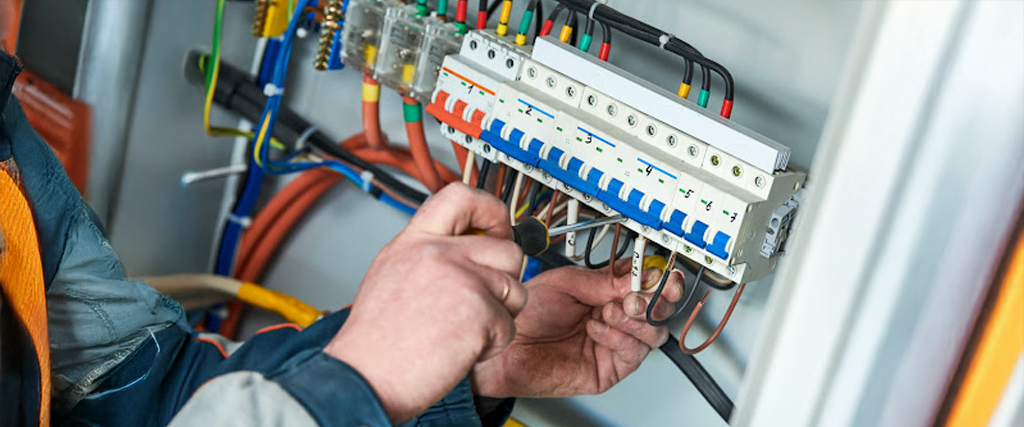
Installation of an Electric circuit involves the design, connection of wires and binding of the electrical paths that supply power to various phenomena within your home or building. It entails the wiring; that is a wiring of outlets, lighting and appliances, so that each circuit has a circuit breaker covering it.
At the centre of this system is circuit breakers. They will automatically switch off power in the event of an overload, short circuiting or fault, saving time and energy on being damaged to your electrical system as well as putting downplay on fire threats. This was also done with the help of fuses in homes; however in contemporary times circuit breakers are used to provide this due to the efficiency, better safety and overall greater easiness of the two factors.
An installed electrical circuit will aid in providing a maintainable and dependable supply of electricity to every device connected to it including the most common lighting systems as well as high demand devices such as ovens, Air conditioners, and electric vehicle chargers.
Importance of Electrical Circuit Breaker Installation
The installation of Electrical Circuit Breaker should be done in every house or commercial place that relies on the safe and contemporary electrical infrastructure. Circuit breakers are involved in various functions rather than mere on and off functions.
1. Protection from Overloads and Short Circuits
The methods of protecting the circuit are the circuit breakers which they use to switch off the electricity when something is wrong with it. This eliminates overheating, electrical fires and any possible damage made to your electrical system or appliances.
2. Expandable and Replaceable
Circuit breakers can be successfully re-set or replaced unlike old-fashioned fuses in case they are needed. They may also be increased along with the expansions of electrical requirements in your home e.g. the introduction of new rooms, appliances or charging station.
3. Fire Risk Reduction
Old or overloaded wiring can overheat and ignite. Breakers detect excessive current flow and stop it instantly, minimizing the risk of electrical fires.
4. Reliable Power Distribution
Circuit breakers equate to the stability of current flow throughout your house and prevent electrical damage on your delicate electronics as well as enhance the safety and efficiency of the entire system.
5. Easier Maintenance
When a circuit is tripping, it is easy to diagnose the problem fast, recover the breaker, or isolate the affected part of the house without other appliances being affected.
Why Install Circuit Breakers in Your Home?
Without the circuit breakers, it would not be possible to carry electrical power to your home without any accidents. They make an indispensable part of your central electrical panel – a control hub which drives and allocates power. The older components of a typical domestic electrical system are:
-
Main electrical service panel
-
Circuit breakers or fuses
-
Electrical wiring connecting outlets, lights, and appliances
-
Surge protectors
-
Grounding system
Moreover, accessory circuits like outlet boxes, switch and 220 V outlets connecting the large appliances are all linked to the main circuit system. The absence of breakers would make the safe control or interrupted flow of power impossible in case of a fault.
The old houses which have old systems on the basis of fuse system also may find it hard to handle the electrical needs of modern times. The replacement of these with modern Electrical Circuit Breaker Installations will help to not only increase the level of safety but to improve on performance and convenience.
Reasons to Replace or Upgrade Circuit Breakers
The greatest circuit breakers do not live forever. With time, they are likely to break, become obsolete or the protection they give is not enough any more.
1. Frequent Tripping or Malfunction
When breakers failure to set within normal working way, they can be replaced.
2. Increased Power Demand
Older panels with the addition of new appliances, air conditioning, hot tubs, and electric vehicle chargers can be overwhelmed. There happens to be adequate power capacity with upgrading.
3. Aging or Corrosion
Old breakers may degenerate, corrode or become ineffective and jeopardise your electrical system.
4. Safety Non-Compliance
Houses constructed decades ago are not possibly reputable of today electrical safety standards. Modification of panels guarantees the compliance and the loyalty to insurance coverage.
5. Main Breaker Failure
When the main breaker does not detach the power when it is overloaded there is the danger of a house developing electrical damage.
Benefits of Upgrading or Installing New Circuits and Breakers
Enhanced Safety and Protection
The current breakers are also created to respond immediately to the over-loading thereby safeguarding your home against electrical fires, electrical shock and system breakdown.
Energy Efficiency and Reliability
Most modern electrical panels and breakers are more efficient in the flow of the energy and result in less wasted energy thus making the appliances efficient.
Support for Modern Appliances
The upgraded circuits also allow flexible installation of high-power devices, such as EV chargers, kitchen appliances, and HVAC.
Future Expansion Flexibility
In case you wish to expand or update your system such as outdoor lighting or a home office, you will have your upgraded system at hand to handle more circuits.
Easy Maintenance
Modern breaker wear and tear are easy to reset, maintain and to increase as opposed to old days fuse breakers, which consumed time and money to do the same.
The Electrical Circuit Installation Process
A professional Electric Circuit Installation comes through a series of stages such that its installation is safe and complaint:
-
Inspection and Planning – The electrician inspects your home’s wiring, current load, and panel capacity to design an appropriate circuit layout.
-
Shutting Off Main Power – For safety, power is disconnected from the main supply before any installation work begins.
-
Wiring and Breaker Setup – New wiring and breakers are installed in designated slots within the electrical panel. Proper grounding and labeling are ensured.
-
Testing and Commissioning – Each circuit is tested for continuity, voltage flow, and fault response.
-
Certification and Handover – The system is certified as safe and compliant with Australian electrical standards.
Why Choose a Licensed Electrician?
Electrical work is never a DIY task. Installing or replacing circuit breakers involves high-voltage systems and requires technical precision. Choosing a licensed professional ensures:
-
Compliance with Australian electrical regulations
-
Safe and accurate installation of wiring and panels
-
Proper grounding and surge protection
-
Use of quality components that meet safety standards
-
Warranty on parts and workmanship
-
Professional testing, certification, and documentation
Cost and Value Considerations
The installation price or an upgrade of an electrical circuit is tied to the size of the distance, the quantity of circuits, and the sort of complexities in the system. The bigger size homes that have several appliances demand more work. Nevertheless, the benefits of this investment are long-term in nature as it will provide extra safety, reduced risk of fire, and increased efficiency of energy usage and the opportunity to implement further electrical upgrades.
Rewiring or building in new circuits also enables the homeowners to ensure that they meet the building codes and insurance standards, which only went an extra mile in ensuring the safety of their property and the people staying in their homes.
