

Replacing Cloth Insulated Wiring
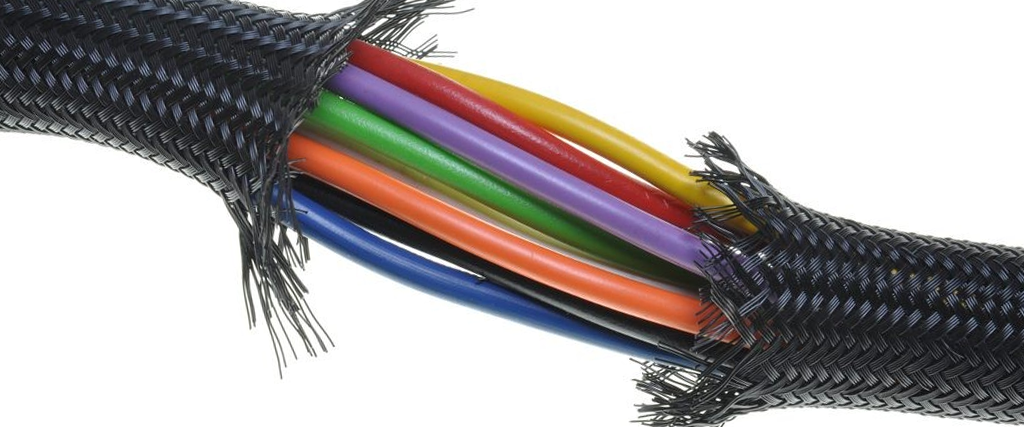
One of the most critical electrical upgrades of older houses is the replacement of Cloth Insulated Wiring. Cloth-insulated wires were used to wire many of the properties constructed prior to the 1960s. Although it was a mainstream approach decades ago, it has been unsafe today because of degradation, fire risks and inability to keep up with the modern needs of electricity. Frequently, homeowners fail to notice that their house still has cloth-insulated wiring since it is behind walls, paneling, or ceilings. It has to be identified and substituted in order to be safe, reliable, and conform to the current electrical regulations.
Why Replacing Cloth Insulated Wiring Is Necessary?
Cloth wiring was regarded as a good one, which has been proved to have its weaknesses over time. Unlike modern PVC insulation, cloth deteriorates easily with age, heat, and environmental exposure. The breakdown that occurs when insulation is broken leads to the exposure of the wires thereby posing more risk of sparks due to overheat, and the risk of a fire.
- Fire Hazard: Cloth is combustible, and becomes brittle as it becomes older. Bare wires, covered with crumbling cloth may burn as they heat up.
- No Ground Wire: A large number of cloth-insulated systems have no grounding conductor, an important safety characteristic of modern wiring. In the absence of grounding, there is the danger of increased shock.
- Pest Destruction: Cloth is a home to rodents and insects, which chew through the insulation, exposing bare wires.
- Lack of Capacity: Homes now have a variety of high demand devices such as air conditioners, microwaves, smart appliances that older cloth wiring had never been engineered to support.
- Insurance Problems: Cloth-insulated wiring involves high-risk insurance companies deny cover or impose higher premiums because of the risks involved.
Signs Your Home May Have Cloth Insulated Wiring
Although the wires are concealed behind walls, you can still find out whether your home still has cloth insulation:
- Wires in breaker panel are cloth-covered.
- Constant breaking or tripping of fuses.
- Smoky smelling outlets or burning outlets.
- Blinking lights or electricity changes.
- Warm sockets, switches or wiring points.
- Evidence of very old wiring during renovations
Benefits of Replacing Cloth Insulated Wiring
Switching to modern wiring has several long term advantages not just safety.
- Better Safety: Best among the benefits is electrical fire protection, shock and overheating.
- Increased Capacity: New copper wiring is capable of being used with the electricity demand of modern homes without much difficulty.
- Energy Efficiency: Recent wiring minimizes energy wastage and it makes appliances operate more efficiently.
- Easier Insurance Approval: Updated wiring will allow easier insurance cover approval and it can lead to lower premiums.
- Home Value: Customers like houses that are well maintained in terms of electrical systems and thus rewiring enhances the resale value.
- Peace of Mind: You have the long-term security of knowing that your home meets safety standards and could help in upgrading as years go by.
Reasons Why Delaying Replacement is Risky
Other house owners delay their rewiring as they consider it to be expensive or inconveniencing. But, there are grave dangers of postponing Replacing Cloth Insulated Wiring.
- Higher chance of electrical fire
- Possibility of being electrocuted by bare wires.
- Electrical devices that die because of power instability.
- Frequent costly repairs and maintenance
- Lower property value and difficulty selling
- Without insurance when there is fire.
The Process of Replacing Cloth Insulated Wiring
Professional electricians have a professional approach to the replacement of old wiring so that they can be safe and effective.
- Inspection and Assessment – Licensed electricians examine the existing wiring system, identifies risks to safety, and outlines the upgrade.
- Load Calculation -Power requirements are assessed to figure out the appropriate type and capacity of new wiring.
- Planning and Quotation -An elaborate plan is carried out with costs, schedule and precautions.
- Decommissioning of Old Wiring – The decommissioning of Old Wiring is carried out by delicate removal of cloth-insulated wires, to minimize hazards.
- Installation of New Wiring- New, code compliant copper wires using appropriate insulation and grounding are installed.
- Electrical panel upgrades-Electrical panels can also be upgraded so that they can accommodate new wiring in a safe way.
- Testing and Certification- The system has been well tested and compliance certificates issued.
Why Choose Professionals for Replacing Cloth Insulated Wiring?
Wiring is not a do it yourself job. Trying to install some new wires without experience may be incredibly risky. By selecting qualified electricians, one is guaranteed of safety, compliance and reliability in the long term.
- Knowledge: Experts are familiar with new and old wiring systems and the manner in which they can be switched without any harm.
- Code Compliance: licensed electricians abide by the Australian Standards and local regulations.
- Quality Assurance: The work is certified and gives the peace of mind and validity of the insurance.
- Correct Tools and Equipment: Safety of removal and installation requires special tools.
- Future-Proofing: New wiring is provided with the capacity to support upgrades in future such as solar systems or EV chargers.
Why Replacing Cloth Insulated Wiring is a Smart Investment?
In addition to being safer, the replacement of old wiring is an investment in your homes value and future. Modern wiring helps to attract potential buyers as well, since it is safe and efficient. Electrical systems are also to be updated by many lenders and insurers. Although the initial expense might appear to be high, it would be justified by the long term savings of the expenses incurred in energy efficiency, lowering insurance policies as well as averting the occurrence of major electrical catastrophes.
Key Reasons to Replace Cloth Insulated Wiring
- Safety hazards due to flammability and wear
- No grounding protection in older systems
- Inability to support high-demand appliances
- Rising insurance premiums or refusal of coverage
- Frequent electrical problems like tripping or flickering
- Higher risk of fire and property damage
