

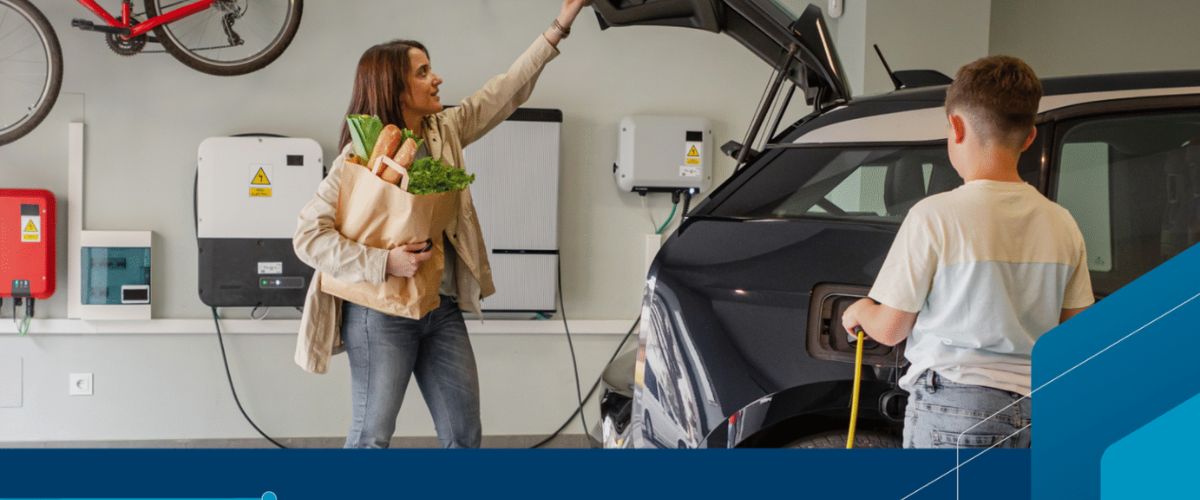
Western Australia is in a period of change in its clean energy transition and the WA Residential Battery Scheme is at the vanguard of the transition. The rebates along with the no-interest loans are currently open; thus households within the state have a historic chance of integrating a high level of home battery technology at a greatly lower price. With the ongoing increase in the price of energy, and more residents building rooftop solar, the necessity to have a reliable and efficient energy storage has never been as critical. It is a vital development in the WA energy future as this scheme helps homeowners save money and sustain a larger grid in general.
A residential battery is a smart storage device that allows homesteads to save electricity to use it at more profitable rates. During the day the solar systems tend to produce excess energy at times when there is low demand. A battery stores this excess electricity to be used later, instead of being sold to the grid at low tariff, usually during the evening hours or peak demand times when the electricity supplied by the grid can be seen to be significantly costlier. The basic aspect can bring a homeowner more control regarding the use of energy and greatly save in the long term through a higher reliance of self-generated renewable energy.
The WA Residential Battery Scheme is developed to fasten the battery uptake because these systems will be made more affordable. The program helps households overcome the initial cost barrier facing lots of households by a combination of government rebates and optional interest-free loans. Significantly, the scheme is an addition to the Federal Government Cheaper Home Batteries Program, which is giving the homeowners the opportunity to pile up incentives and is also lowering the installation expenses of the homeowners. This interwoven nature of state and federal efforts indicates an effective strategy of raising uptake of distributed energy resources in the Western Australia.
The rebates that are offered with the scheme are high. Installation of a 10kWh home battery to eligible customers of Synergy is eligible to get a rebate of up to 5000 dollars and Horizon Power customers may also attract a rebate of up to 7500 dollars. This amount of financial aid can greatly reduce the total investment one has to invest in battery storage making it possible to have battery storage in many households. To families who require further financial support the scheme provides loans to the tune of $10, 000 that have no interest when the total household yearly earnings are less than 210, 000. Such loans can be repaid within a maximum of ten years offering an affordable and flexible route to family conversion to renewable energy technologies.
One of the conditions to receive the rebate or loan is the virtual power Plant (VPP). A VPP is a technologically advanced digitally integrated network of solar systems and home batteries that collude with an electricity grid. Instead of being autonomous units, the batteries are connected to a central control in which the storage energy usage is coordinated and synchronized with how and when it is applied. The VPP can also tap stored energy in homes participating in it during times of high demand or low supply, to contribute to the stabilisation of the grid. With high production of sun, the network will have more power storing capacity. This coordinated system also increases the effective functioning of the electricity system and helps in integrating renewable energy throughout the state.
To the participating households, registering in a VPP means getting extra value on top of the advantages of the use of the battery itself. Based on the program design, households can be paid to make stored energy availed to the grid during the peak periods. This provides possibilities of additional savings and in certain situations, of continuous revenue streams. Besides, the involvement of VPP is also the guarantee that the homes will be adapted to the future energy innovation, with the distributed energy networks resultsantly expected to take a more important role in the contemporary electricity systems.
The placement of a home battery also has functional benefits of daily life. A significant number of homes have intermittent power supply especially in rural locations where weather conditions and power outages can disrupt power supply. When equipped with a battery system properly set up, the key appliances will keep running even if the power goes off, which will allow greater reliability and confidence. The higher the number of households switch to electrifying their households by using electric vehicles, electric cooktops, or an efficient electric hot water system, the higher the response rate that is administered by a battery which sometimes gives more energy use at the most efficient and cost-effective manner possible.
Recent Posts
How to Apply for Solar Rebates in Western Australia?
March 30, 2026
How WA Solar Battery Rebate Improves Energy Independence?
March 22, 2026
Why Replacing Aluminum Wiring is Essential for Home Safety in WA?
March 12, 2026
Smoke Detector Installation for Home Safety Western Australia
March 7, 2026
Solar Panel Rebate WA: Key Benefits for Property Owners
February 13, 2026
