

Replacing Aluminum Wiring
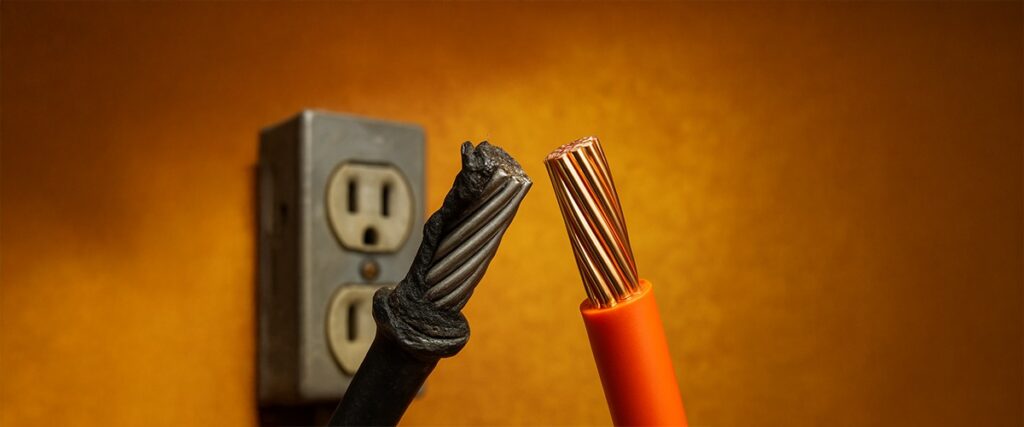
Electric safety is among the most important parts of a safe house. In the last several decades, building practices shifted to more efficient and less risky patterns. These changes on one aspect have been one of the most significant changes where the aluminum wiring was replaced by copper wiring. The 1960s and 1970s were prevalent in building and remodeling homes with the materials of aluminum wires, an approximate number of homes built around that time are 2 million. In spite of the fact that the idea of using aluminum used to appear cheap and highly economical back then, research has since shown that it is very dangerous in terms of fire risks. It is through this discovery that replacement of the aluminum wiring becomes a top priority to a homeowner who would like to safe guard the property as well as their families.
Why Aluminum Wiring Was Used in Homes?
In the mid 20th century, the prices of copper increased leading to demand of cheaper substitutes. Architects resorted to use of aluminum wire due to its affordability and its abundance in the market. It was first perceived as a high-quality conductor; however, with time serious questions over safety arose. The propensity of aluminum to be expanded, contract, and oxidize under contact with air was the reason behind the hazardous electrical problems. When these issues became effectively known, copper wiring was once again considered to be the standard residential construction.
Dangers of Aluminum Wiring
The greatest essential of replacing the aluminum wiring is the danger of fire. The Consumer Product Safety Commission states that the houses using aluminum wiring have a 40-50 higher risk of electrical fires than ones with copper. Several factors contribute to this hazard:
- Expansion and Contraction: Aluminum expands at hot temperatures and shrinks at cold temperatures which loosens any connection, making it fire prone.
- Oxidation: Aluminum oxidizes in the air, and resistances and heat up on joining points.
- Softness: Aluminum wires are softer than copper, therefore, they may break when installation happens or by passing time thus weakening the electrical system.
- Incompatibility: Many outlets, switches, and fixtures are designed for copper wiring, making aluminum a poor fit for most modern devices.
Signs That a Home May Have Aluminum Wiring
Before issues start to emerge, most house owners do not consider the wiring in their walls. But still, there are few signs that lead to the presence of aluminum wiring. The common indicators of it are:
- Frequent flickering or dimming lights.
- Outlets and switches that feel warm to the touch.
- Discolored or scorched outlet covers.
- Circuit breakers tripping without high usage.
- The smell of burning plastic near electrical fixtures.
Benefits of Replacing Aluminum Wiring
Aluminum to copper wires upgrading has numerous advantages other than safety. Replacing of aluminum wiring can:
- Improve Safety – Minimizes the danger of overheating, short circuities and even fire hazard.
- Ensure Compliance – Meets the current code building and safety standards.
- Enhance Efficiency – Copper wiring ensures smooth electrical circulation that aids in the use of new appliances.
- Increase Property Value – Houses that have a newer electrical system will attract buyers.
- Reduce Insurance Costs – Insurance companies charge a high premium or avoid giving insurance cover to houses that possess aluminum wiring.
- Provide Long-Term Reliability – Copper is durable, resistant to corrosion, and capable of lasting for decades without major issues.
Methods for Addressing Aluminum Wiring
When it comes to dealing with aluminum wiring, homeowners typically have two options:
- Full Replacement– This is the safest of all where it is necessary to get rid of all through the aluminum and replace with copper. This demands an investment although a permanent solution to the safety issue is maintained.
- Approved Connectors -Special connectors, like COPALUM or AlumiConn, may be fitted to bond aluminum and copper without risk. Although it is less expensive, this solution is considered as a band-aid solution relative to a complete replacement.
Why Choose Professional Electricians for Replacing Aluminum Wiring?
Electrical work is complicated and can be quite hazardous; therefore expert knowledge is a must. Replacing aluminum wiring by hiring licensed electricians assures safety and effectiveness of the job. Benefits that professionals can offer:
- Knowledge and Certification– They know the wiring standards and local building codes, which can only be known by trained electricians.
- Correct Materials and Tools – Technicians apply top quality copper wire and unlisted connectors that are UL rated to insure maximum protection.
- Comprehensive System Checks – Extensive inspection conducted by professional usually uncovers other problems, like obsolete panels or overloaded circuits.
- Time and Cost Efficiency – Skilled electricians work with time and cost efficiency, wastage of materials and noisy work is limited.
- Warranty and Insurance– Reputable companies give warranties and liability insurance that gives comfort.
Long-Term Value of Replacing Aluminum Wiring
In addition to the short-term enhanced safety, wiring upgrades add long-term value to the owner. It is to the possession of modern families that advanced appliances, electronics and hardware of high power consumption need a highly stable power supply. Copper wiring will deliver reliable performance, where delicate equipment is guarded against electrical surges and changes. Moreover, houses that are equipped with copper wiring sell quicker and more expensive as consumers understand the safety and solidity of the improved systems.
When an upgrade comes in forms of wiring, real estate professionals tend to note down this upgrade as a good selling aspect and appraisers also consider this in appraising the property value. Therefore, replacing aluminum wiring cannot be referred to as only a safety precaution but a good financial investment.
Important Reasons behind the Change of Aluminum Wiring
Key Reasons to Replace Aluminum Wiring:
- Drastically reduces fire hazards and improves safety.
- Meets modern safety standards and building codes.
- Enhances energy efficiency and performance.
- Raises property value and buyer confidence.
- Lowers insurance premiums and increases eligibility.
- Provides peace of mind with a secure and durable electrical system.
